Professional Food Processing Machinery Manufacturer


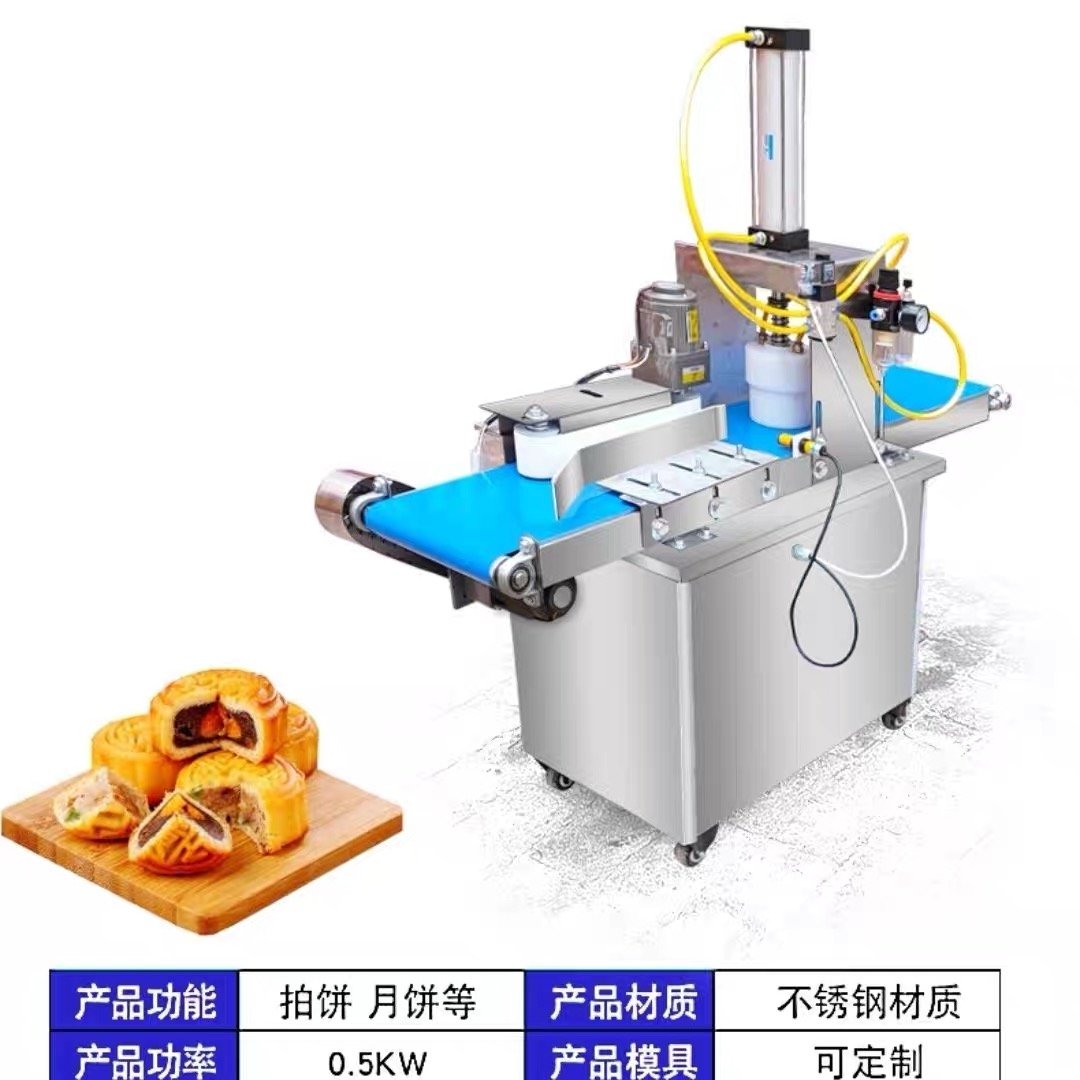
A pancake forming machine configuration should be selected around the dough entering the machine and the shape required at its outlet. Before comparing models, decide whether you already have divided dough pieces or need a configuration that also handles dividing. This distinction helps define the equipment boundary, the work remaining for operators and the questions to include in a quotation. It does not establish that any particular recipe has already been tested.
Describe the product and the incoming dough
Prepare photographs of the intended product and a representative dough sample. Record the desired diameter, thickness and portion weight as requirements to discuss, rather than assuming a machine can meet them. Explain the recipe, surface condition and handling method used in your normal process. Include any resting stage or intermediate handling that changes the dough before it reaches the forming operation.
Describe whether the product leaves this stage as a raw formed piece or proceeds to another operation. Keep cooking, cooling, packing and other downstream activities separate in the equipment scope. A forming-machine name does not establish that those operations are included. If you use the word pancake for several different products, provide a sample of each so that the quotation addresses the intended food.
Pancake forming machine configuration: pressing or dividing?
Yuerui’s supplied pancake-machine introduction describes flattening and forming dough pieces. Its table lists a pancake forming machine and a dividing-and-forming configuration separately. Review the pancake forming equipment before requesting a model-specific proposal. These are useful starting points for an enquiry, but the table alone does not explain every operation included in either package. Request a written description of the incoming material, the actions performed and the product delivered by the quoted configuration.
If dough is portioned before pressing, identify who performs that step and how pieces reach the machine. If dividing is included in a proposed package, ask how portion size is set and checked. Do not infer automatic transfer, film application or a continuous production line from the configuration name. Each included function should be identified explicitly in the offer.
Define what an acceptable formed piece looks like
Agree which characteristics will be checked during evaluation. These might include the target outline, thickness, diameter and the condition of the piece after transfer. State how representative samples will be selected and measured. Ask the supplier to identify any recipe or handling conditions that affect the evaluation. Keep the requested acceptance criteria separate from results that have actually been observed.
Photographs can document appearance, but should be linked to the recipe, configuration and sample being evaluated. A photograph of an attractive finished food does not demonstrate that the quoted machine produced it. Similarly, a description such as uniform forming should not be converted into a numerical tolerance unless supporting measurements exist and the parties agree on their relevance.
Compare output under stated conditions
Write down how many acceptable pieces you need in a normal production period and when the next operation must receive them. Include replenishment, setup, cleaning and product changes in the discussion. Ask what operating conditions accompany any output figure in the quotation. A short demonstration and sustained production are different observations and should remain clearly identified.
The local introduction lists different output ranges for its two configurations. This guide does not use those figures as guaranteed factory results. Request model-specific confirmation with the product weight, dough condition, feeding arrangement and measurement period attached. Where a test with your recipe has not been completed, keep performance as an open evaluation item.
Make transfers and supporting equipment visible
Map how dough arrives, where formed pieces are collected and how they reach the next operation. Identify manual handling and receiving containers. If a separate dough divider is being considered, ask about the handover between dividing and pressing. The presence of both machines in a catalogue is not confirmation of automatic connection or matched rates.
Review the dough processing solution as a discussion of workflow scope. Confirm which upstream and downstream equipment is actually included. Ask who is responsible for any interface and whether a sample evaluation will cover the complete proposed sequence or only the forming machine.
Collect the installation and cleaning information
Supply the available space, access route and local electrical information. Request confirmed machine dimensions, maintenance access and receiving arrangements for the selected configuration. Ask for the applicable cleaning and operating documentation. Do not improvise cleaning methods or assume an enclosure can be washed down without the manufacturer’s specific instructions.
Use a comparison sheet with rows for incoming dough, included operations, target product, utilities, handling, evaluation conditions and unresolved questions. Label each answer as confirmed by the supplier, observed during evaluation or still outstanding. This gives purchasing and production teams one shared record and makes missing information easier to resolve before an order is agreed.
Send your sample description and the completed comparison sheet through the Yuerui configuration enquiry page. Ask for a model-specific offer that identifies the proposed operations and the verification steps still required. A clear equipment boundary is the foundation for comparing configurations without inventing performance, compatibility or delivery promises.