Professional Food Processing Machinery Manufacturer


Commercial Meat Slicer Machine: Complete Guide for Food Processing Businesses — learn how Yuerui Machinery supports your production with reliable equipment and engineering.
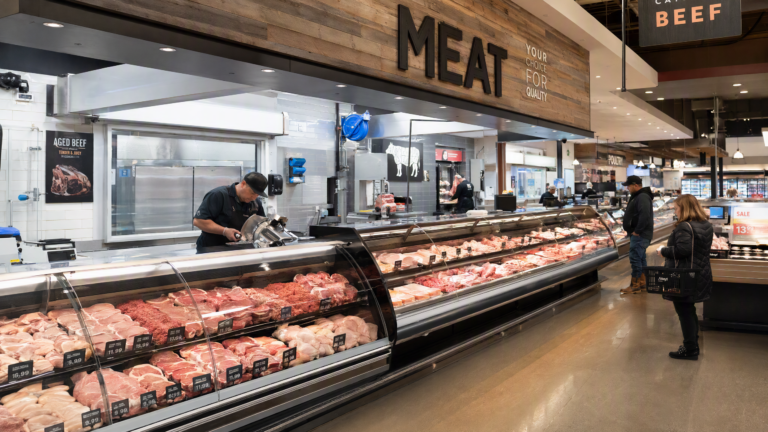
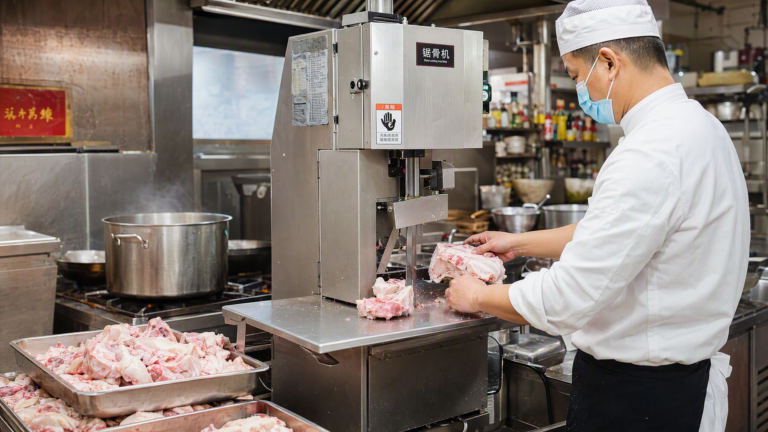
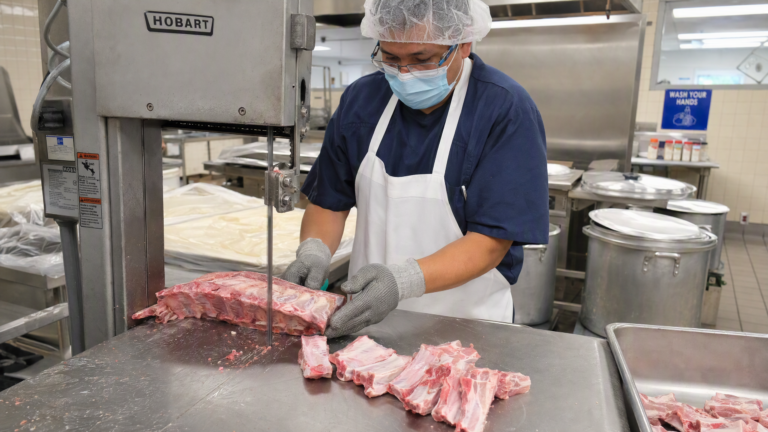
A commercial meat slicer machine is the backbone of any serious meat processing operation, from butcher shops and deli counters to large-scale central kitchens and industrial food production facilities. Choosing the right equipment directly impacts your production efficiency, product consistency, and bottom line.
In this comprehensive guide, we’ll walk you through everything you need to know about commercial meat slicer machines — from the different types and key specifications to maintenance best practices and buying recommendations.
Types of Commercial Meat Slicer Machines
Meat slicers come in several configurations, each designed for specific processing needs. Understanding the differences is the first step in making an informed purchasing decision.
1. Fresh Meat Slicers
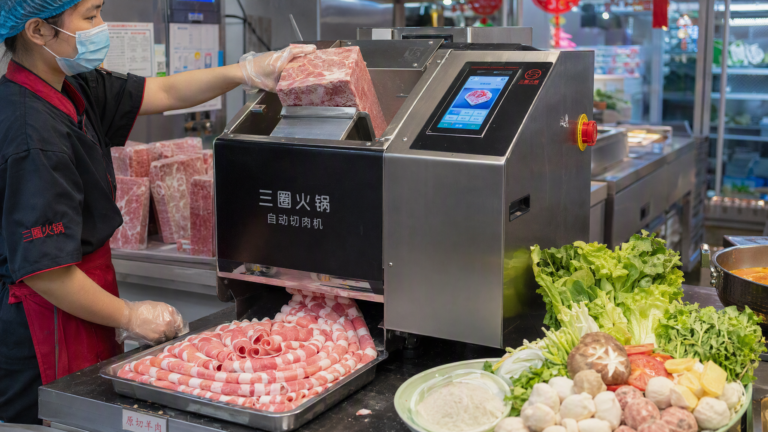
Fresh meat slicers are designed to cut raw meat into uniform slices with precision. These machines typically use rotating blade systems and can handle various meat types including beef, pork, and poultry. The Commercial Fresh Meat Slicer from Yuerui Machinery offers adjustable cutting thickness, making it versatile for different product requirements.
Key features to look for:
- Adjustable slice thickness: Typically ranges from 1mm to 20mm
- Stainless steel construction: Food-grade 304 stainless steel for corrosion resistance
- High-capacity feed system: Reduces loading time and increases throughput
- Safety interlock systems: Prevents operation when guards are open
2. Deli Meat Slicers
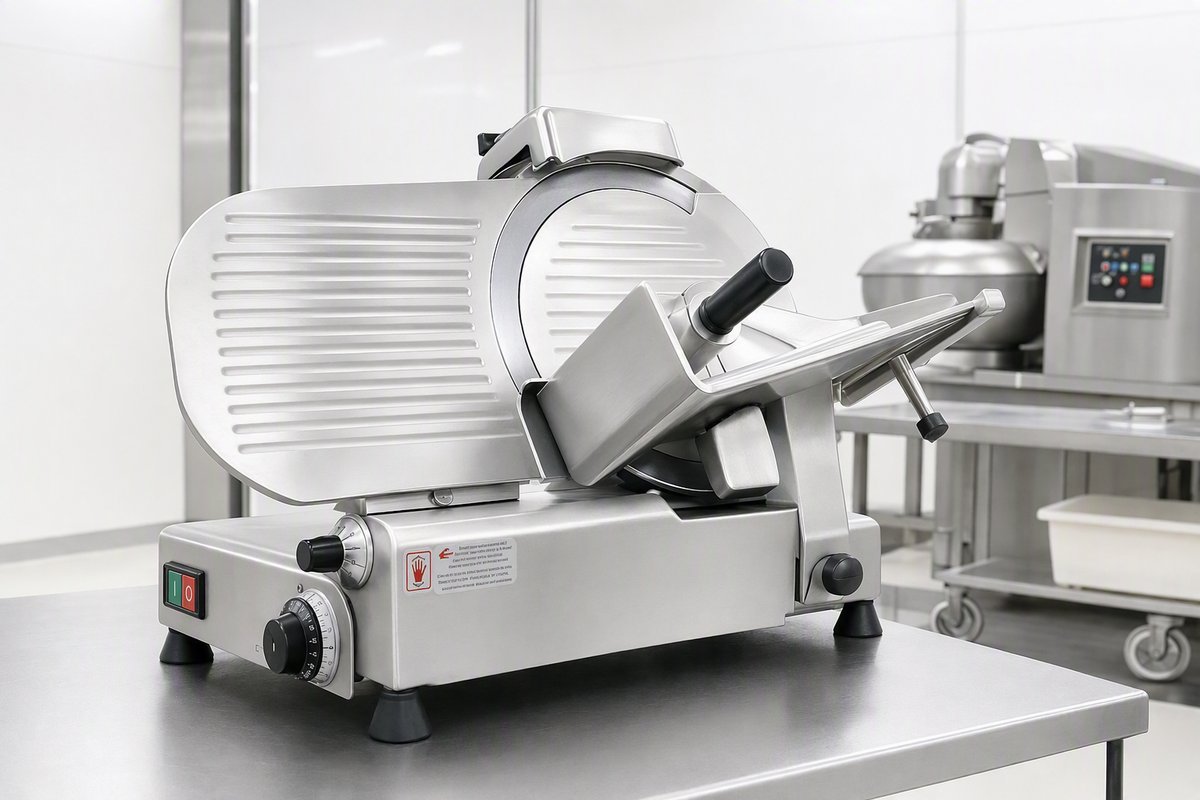
For processed and cooked meats, deli meat slicers provide the thin, consistent slices needed for sandwich meat, cold cuts, and charcuterie. These machines often feature gravity-feed designs and precision blade alignment. The Deli Meat Slicer is engineered specifically for this application, with blade diameters optimized for cooked and cured products.
3. Meat Strip Cutting Machines
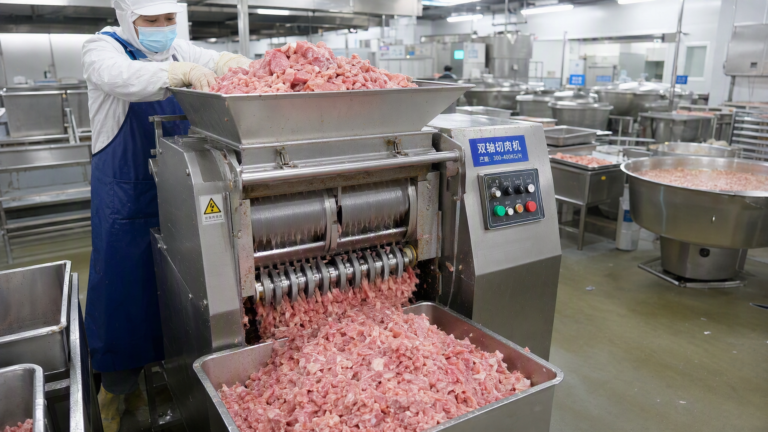
When your production requires julienne or strip cuts rather than slices, a strip cutting machine is the answer. These machines use specialized cutting grids to produce uniform strips ideal for stir-fry preparations, jerky production, and prepared meal manufacturing.
Key Specifications to Consider
When evaluating a commercial meat slicer machine, focus on these critical specifications:
| Specification | Why It Matters | Typical Range |
|---|---|---|
| Production Capacity | Determines output per hour | 200–1000 kg/h |
| Blade Diameter | Affects max cut size and precision | 300–500 mm |
| Cutting Thickness Range | Flexibility for different products | 1–30 mm adjustable |
| Motor Power | Drives blade speed and torque | 1.5–5.5 kW |
| Material Grade | Food safety and durability | 304 Stainless Steel |
Applications Across Food Industries
Commercial meat slicer machines serve a wide range of food processing sectors:
- Central kitchens: Bulk preparation for restaurant chains and institutional feeding
- Meat packing plants: Portion control and packaging-ready slicing
- Ready-meal manufacturers: Ingredient preparation for frozen and chilled meals
- Pet food production: Uniform meat portioning for consistent product quality
- Snack food industry: Jerky and dried meat strip production
How to Choose the Right Meat Slicer for Your Business
Assess Your Production Volume
Start by calculating your daily and hourly processing requirements. A small deli may need a machine handling 100-200 kg/h, while a central kitchen serving multiple locations might require 500+ kg/h throughput.
Consider Product Variety
If you process multiple meat types (beef, pork, poultry, fish), look for a machine with quick-change blade systems and washable components to prevent cross-contamination.
Evaluate Space and Utility Requirements
Measure your available floor space and verify electrical requirements. Industrial meat slicers typically require 380V three-phase power. Also consider water supply for cleaning and drainage for sanitation.
Factor in Maintenance and Support
Regular maintenance is essential for food processing equipment. Choose a supplier that offers:
- Readily available spare parts (blades, bearings, seals)
- Technical support and troubleshooting assistance
- Clear maintenance documentation and schedules
- Warranty coverage on major components
Meat Slicer Maintenance Best Practices
Proper maintenance extends equipment life and ensures food safety compliance:
- Daily cleaning: Disassemble and sanitize all food-contact parts after each shift
- Blade sharpening: Sharpen blades weekly or bi-weekly depending on usage volume
- Lubrication: Follow manufacturer guidelines for bearing and gear lubrication
- Inspection: Check blade alignment, belt tension, and seal integrity monthly
- Record keeping: Maintain maintenance logs for HACCP and food safety audits
Why Choose Yuerui Machinery for Your Meat Processing Equipment
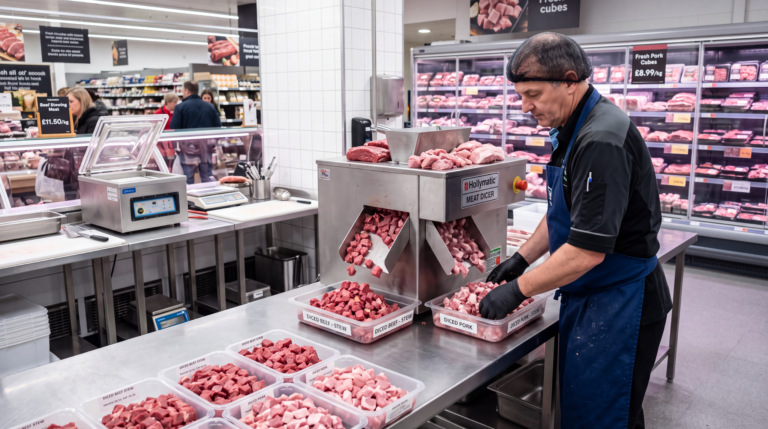
Yuerui Machinery specializes in food processing equipment designed for demanding industrial environments. Our meat processing equipment line includes slicers, dicers, and strip cutters — all built with food-grade stainless steel and backed by comprehensive technical support.
Explore our full range of meat slicing equipment, strip cutting machines, and industrial meat slicers to find the right solution for your production needs.
Conclusion
Investing in the right commercial meat slicer machine is a critical decision that affects your production efficiency, product quality, and profitability. By understanding the types, specifications, and applications covered in this guide, you’ll be well-equipped to make an informed choice.
Need help selecting the perfect meat slicer for your operation? Contact Yuerui Machinery today for a personalized consultation and equipment recommendation.