Professional Food Processing Machinery Manufacturer

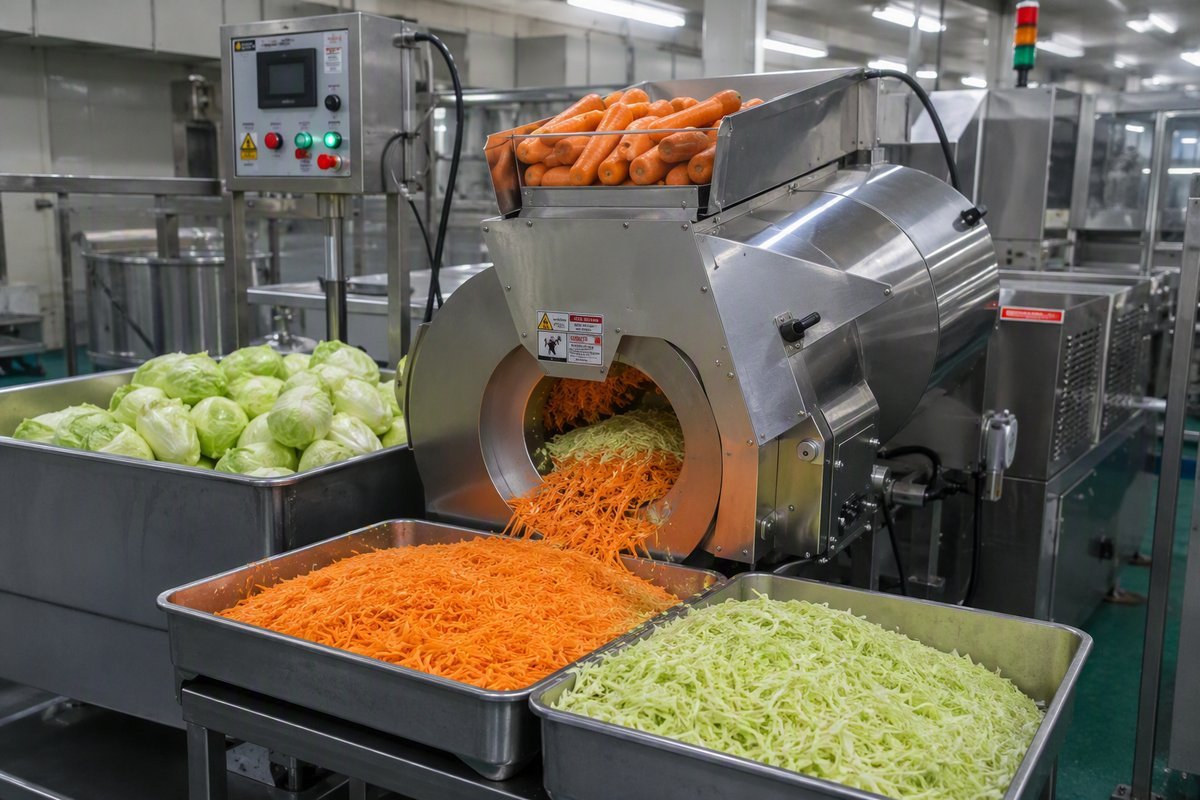

Vegetable Cutting Machine: The Complete Guide for Commercial Kitchens — learn how Yuerui Machinery supports your production with reliable equipment and engineering.
In any high-volume commercial kitchen, the vegetable prep station is often the hidden bottleneck that determines how fast the entire operation can move. A commercial vegetable cutting machine eliminates this bottleneck by transforming hours of manual knife work into minutes of mechanized precision. Whether you run a restaurant chain, a institutional cafeteria, a meal delivery service, or a food manufacturing facility, investing in the right vegetable cutting machine can cut labor costs by up to 70%, improve product consistency, and dramatically increase your daily output. This guide covers everything you need to know to select, operate, and maintain the perfect vegetable cutting equipment for your kitchen.
What Is a Vegetable Cutting Machine?
A vegetable cutting machine is a specialized piece of commercial food processing equipment designed to automate the cutting, slicing, dicing, and shredding of vegetables and fruits. Unlike food processors that chop with blades, a vegetable cutting machine uses interchangeable cutting discs, grids, and blade assemblies that produce uniform shapes and sizes with every pass. The result is restaurant-quality cuts that would take a skilled cook hours to replicate by hand, produced in a fraction of the time.
The fundamental design of a vegetable cutting machine centers around a motorized drive system that rotates a cutting assembly at high speed. Vegetables are fed through a hopper or chute, where they are pressed against the rotating blades by either gravity, a centrifugal force, or a mechanical feed mechanism. The cutting discs are interchangeable, allowing a single machine to produce julienne strips, flat slices, dice cubes, shredded pieces, and even waffle cuts simply by swapping the blade assembly. This versatility makes a vegetable cutting machine one of the most cost-effective pieces of equipment in any commercial kitchen.
Modern machines incorporate features that go far beyond simple cutting. Many models include integrated water spray systems that wash vegetables as they are cut, reducing a separate processing step. Others feature variable speed controls that allow operators to adjust cutting speed for different vegetable types and desired textures. The best vegetable cutting machine models are built entirely from food-grade stainless steel, ensuring durability, corrosion resistance, and compliance with international food safety standards.
Types of Vegetable Cutting Machines
The vegetable cutting machine market offers several distinct categories, each optimized for specific cutting tasks, production volumes, and kitchen environments. Understanding these categories is the first step toward selecting the right equipment for your operation.
1. Centrifugal Vegetable Cutting Machines
Centrifugal machines are the most common type of vegetable cutting machine found in commercial kitchens. They use a rotating disc with mounted blades that spin at high speed, throwing vegetables against the cutting surface by centrifugal force. This design excels at producing slices and shreds quickly and is ideal for processing root vegetables like potatoes, carrots, and onions. Centrifugal machines typically offer cutting speeds of 200-600 kg per hour and are valued for their simplicity, reliability, and ease of cleaning. The Vegetable Cutting Machine from Yuerui Machinery is a prime example of this category, offering multi-functional cutting capabilities in a compact footprint.
2. Multi-Functional Vegetable Cutting Machines
Multi-functional models take versatility to the next level by combining multiple cutting mechanisms in a single machine. These machines typically feature two separate cutting zones: one for slicing and shredding, and another for dicing and cubing. By swapping blade sets and adjusting settings, operators can produce an impressive variety of cuts from a single piece of equipment. This makes a multi-functional vegetable cutting machine ideal for operations that handle diverse menus with many different vegetable preparations, such as institutional kitchens, catering companies, and food manufacturers.
3. Belt-Driven Vegetable Cutting Machines
Belt-driven machines use a conveyor belt system that feeds vegetables through a stationary blade assembly. This design offers superior control over cut thickness and shape, as the feed speed can be precisely regulated. Belt-driven machines are particularly well-suited for cutting delicate vegetables that might be damaged by the high-impact cutting of centrifugal models. They also excel at producing long, uniform strips for applications like French fry production and julienne vegetable preparation.
4. Specialty Vegetable Processing Equipment
Beyond general-purpose cutting machines, specialized equipment exists for specific vegetable processing tasks. Potato peelers, bubble washers, and blanching machines are often integrated into a vegetable processing line alongside the primary vegetable cutting machine. For example, the Potato Washing Machine pairs perfectly with a vegetable cutter to create a complete potato processing workflow, from washing through to cutting. These complementary machines ensure that vegetables are properly cleaned, peeled, and prepared before cutting, maximizing both food safety and finished product quality.
Key Specifications to Consider
Selecting the right vegetable cutting machine requires careful evaluation of several technical specifications. Each metric impacts the machine’s suitability for your specific operation, and overlooking any of them can lead to costly mismatched equipment.
Production Capacity
Capacity, typically measured in kilograms per hour, is the most fundamental specification to evaluate. A small restaurant might need only 100-200 kg per hour, while a large food processing facility may require 500-1000 kg per hour or more. When evaluating capacity, consider your peak demand periods, not just average daily volume. A machine that meets your average needs but cannot handle peak periods will create bottlenecks during your busiest service times. As a general rule, select a machine with at least 30% more capacity than your current peak requirement to allow for growth and operational flexibility.
Motor Power
Motor power for commercial vegetable cutting machines typically ranges from 0.75 kW to 2.2 kW. Lighter-duty machines with 0.75-1.1 kW motors are suitable for soft vegetables and intermittent use. For continuous operation with hard root vegetables like carrots, potatoes, and beets, a 1.5 kW or larger motor is recommended. Insufficient motor power leads to stalling, uneven cuts, and premature motor failure—particularly when processing dense or fibrous vegetables.
Cut Size and Shape Options
The variety of cuts a machine can produce directly impacts its versatility and value. Most vegetable cutting machine models support the following cut types:
- Slicing: Flat cuts from 1mm to 10mm thickness
- Julienne: Long thin strips, typically 2mm to 6mm wide
- Dicing: Uniform cubes from 5mm to 20mm
- Shredding: Fine or coarse shredded pieces
- Grating: Fine granular pieces for cheese, carrots, etc.
- Waffle cut: Corrugated slices for specialty presentation
Check the availability and cost of additional blade sets, as some manufacturers use proprietary blade designs that are expensive to replace.
Blade Material and Quality
The quality of the cutting blades determines both cut quality and blade longevity. Look for blades made from food-grade stainless steel (such as 304 or 316 grade) that have been heat-treated for hardness. Some premium machines use tungsten carbide-tipped blades for extended sharpness and durability. Avoid machines with carbon steel blades, as they corrode rapidly in the wet environment of vegetable processing and can contaminate food with rust particles.
Material Construction
Every component that contacts food should be manufactured from food-grade AISI 304 stainless steel. This includes the hopper, cutting chamber, discharge chute, and blade housing. The frame and structural components may use powder-coated steel or cast aluminum for cost efficiency, but food contact surfaces must be stainless steel for hygiene, durability, and regulatory compliance. Seam welds should be continuous and smooth, without crevices that could trap food particles and bacteria.
Ease of Cleaning and Disassembly
In commercial food preparation, cleaning time is a significant operational cost. A well-designed vegetable cutting machine should allow tool-free disassembly of all food contact components. Blade assemblies should slide out easily, and the cutting chamber should be fully accessible for washing. Look for machines with rounded corners, minimal crevices, and IP54 or higher ingress protection ratings that allow wash-down cleaning without damaging electrical components.
Safety Features
Safety is paramount when operating any machine with high-speed cutting blades. Essential safety features include:
- Interlock switches: Machine stops automatically when the cutting chamber is opened
- Feed pusher: A tool that keeps operator hands away from the cutting zone
- Emergency stop: Large, accessible button that immediately halts the machine
- Non-slip feet: Rubber feet that keep the machine stable during operation
- Motor overload protection: Automatically shuts off the motor if it overheats or stalls
Comparison Table: Vegetable Cutting Machine Types
The following table compares the key specifications of different vegetable cutting machine types to help you identify the best match for your operation:
| Feature | Centrifugal Model | Multi-Functional Model | Belt-Driven Model | Tabletop Model |
| Motor Power | 0.75-1.5 kW | 1.1-2.2 kW | 1.5-3.0 kW | 0.37-0.75 kW |
| Capacity | 200-600 kg/h | 300-1000 kg/h | 500-1500 kg/h | 50-150 kg/h |
| Cut Types | Slice, shred | Slice, dice, shred, julienne | Slice, strip, dice | Slice, shred |
| Cut Thickness Range | 1-8mm | 1-20mm | 2-15mm | 1-5mm |
| Best For | Restaurants, small facilities | Institutional kitchens, catering | Food manufacturing, large facilities | Small cafes, prep stations |
| Footprint | Medium | Medium-Large | Large | Compact |
| Price Range | $300-$800 | $600-$2,000 | $1,500-$5,000+ | $150-$400 |
| Cleaning Difficulty | Easy | Moderate | Moderate | Easy |
Applications and Use Cases
A commercial vegetable cutting machine finds application across a remarkably diverse range of food service and food production environments. Understanding how different operations use this equipment can help you identify the best configuration for your needs.
Restaurant and Food Service
In restaurants, a vegetable cutting machine streamlines the prep kitchen by handling repetitive cutting tasks that would otherwise consume hours of skilled labor. Slicing onions for caramelization, julienning carrots for stir-fry, dicing peppers for salsa, and shredding cabbage for coleslaw can all be completed in minutes. The consistency of machine-cut vegetables also improves plate presentation and cooking uniformity, as evenly cut pieces cook at the same rate.
Institutional and Contract Catering
Schools, hospitals, corporate cafeterias, and military installations serve hundreds or thousands of meals daily and require massive volumes of prepared vegetables. A multi-functional vegetable cutting machine can process the volume of potatoes, carrots, onions, and cabbage needed for these operations in a fraction of the time required by manual cutting. The labor savings alone often justify the equipment investment within the first year of operation.
Food Manufacturing and Processing
Food manufacturers use industrial-grade vegetable cutting machines as part of automated production lines for products like pre-packaged salads, frozen vegetable mixes, soup ingredients, and snack foods. These operations require machines with high throughput, precise cut specifications, and integration capabilities with upstream washing and downstream packaging equipment. Belt-driven machines are particularly popular in manufacturing due to their precise cut control and high capacity.
Meal Kit and Delivery Services
The booming meal kit industry relies on vegetable cutting machines to prepare the pre-portioned vegetable components that are a hallmark of their products. These operations require exceptional cut consistency and cleanliness, as the vegetables are packaged and shipped directly to consumers. A vegetable cutting machine with integrated washing capabilities can streamline this process significantly.
Pickling and Fermentation
Producers of pickled vegetables, sauerkraut, kimchi, and other fermented foods require large volumes of uniformly cut vegetables. The consistent cut size ensures even fermentation and uniform flavor development. Industrial vegetable cutting machines can process the volume of cabbage, cucumbers, and radishes needed for commercial fermentation operations.
Maintenance Tips for Vegetable Cutting Machines
Proper maintenance of your vegetable cutting machine is essential for food safety, cutting performance, and equipment longevity. A well-maintained machine can serve your kitchen for 8-10 years or more, while a neglected one may need replacement within two years.
Daily Cleaning Protocol
After each use, disconnect the power and disassemble all removable food contact components. Wash blades, cutting discs, hoppers, and discharge chutes with hot water (60°C or above) and food-safe detergent. Use a soft brush to remove vegetable residue from blade crevices and cutting grid slots—never use abrasive scouring pads that could scratch stainless steel surfaces. Sanitize all components with an approved food-grade sanitizer, rinse with clean water, and allow to air dry completely before reassembly. Never reassemble a wet machine, as moisture trapped between components can promote bacterial growth.
Blade Sharpening and Replacement
Dull blades are the most common cause of poor cut quality in a vegetable cutting machine. Signs of blade dullness include ragged cut edges, excessive juice release from vegetables, and increased motor strain during cutting. Most cutting blades can be sharpened 3-5 times before requiring replacement, using a professional blade sharpening service. Keep a set of spare blades on hand so that dull blades can be swapped out immediately without interrupting production. When replacing blades, always use manufacturer-specified parts to ensure proper fit and cutting performance.
Motor and Drive System Maintenance
Inspect the motor monthly for signs of wear, including unusual noise, excessive vibration, or overheating. Check that cooling vents are clear of dust and vegetable debris. For belt-driven machines, inspect drive belts monthly for cracking, stretching, or glazing, and replace them at the first sign of wear. Keep all bearings and moving parts lubricated according to the manufacturer’s schedule, using only food-grade lubricants on components that could potentially contact food.
Preventive Maintenance Schedule
Establish a written preventive maintenance schedule for your vegetable cutting machine that includes the following intervals:
- Daily: Full cleaning and sanitization of all food contact surfaces
- Weekly: Blade inspection, sharpening if needed, and lubrication of moving parts
- Monthly: Motor inspection, belt check, fastener tightening, and deep cleaning of non-food contact components
- Quarterly: Full inspection by a qualified technician, bearing check, and electrical system test
- Annually: Professional service, including motor servicing, seal replacement, and safety system calibration
Buying Guide: How to Choose the Right Vegetable Cutting Machine
Choosing the right vegetable cutting machine for your commercial kitchen involves balancing your production needs, available space, budget, and desired cut versatility. Follow this structured approach to make an informed decision.
Step 1: Analyze Your Vegetable Processing Volume
Track your daily vegetable preparation volume over a representative period, including peak days. Calculate both the total weight of vegetables processed and the breakdown by vegetable type. This analysis will help you determine the required machine capacity and identify which cutting functions you use most frequently. Remember to account for future growth—a machine that barely meets your current needs will become a bottleneck as your business expands.
Step 2: List Your Required Cut Types
Document every cut type your kitchen uses: slices, dice, julienne, shreds, grates, and any specialty cuts. Prioritize this list by frequency of use. If your operation primarily slices and shreds with occasional dicing, a centrifugal machine with an optional dicing kit may be more cost-effective than a full multi-functional model. If you regularly produce many different cuts, a multi-functional vegetable cutting machine will provide the best value despite its higher initial cost.
Step 3: Consider Vegetable Types
Different vegetables present different cutting challenges. Hard root vegetables (carrots, beets, turnips) require more motor power and tougher blades. Leafy greens need gentler handling to prevent bruising. Fibrous vegetables like celery require serrated blades for clean cuts. Make sure the machine you select can handle the full range of vegetables in your menu, not just the easy ones.
Step 4: Evaluate Kitchen Space and Utilities
Measure your available counter or floor space, accounting for operator access and material handling around the machine. Verify that your electrical supply matches the machine requirements. Also consider the location of your sink and drain for cleaning—positioning the machine near cleaning facilities will save significant labor time over the life of the equipment.
Step 5: Compare Total Cost of Ownership
Beyond the purchase price, calculate the ongoing costs of operating your vegetable cutting machine:
- Replacement blades and cutting discs ($20-$100 per set, replaced every 6-12 months)
- Electricity consumption based on motor power and daily usage hours
- Cleaning and maintenance labor time
- Potential repair costs and downtime
A machine that costs $500 more upfront but saves 30 minutes of cleaning time per day will pay back the difference within the first year in most commercial operations.
Step 6: Verify Food Safety Compliance
Ensure the machine meets food safety standards applicable to your region and operation type. Look for CE marking for European markets, NSF certification for North American markets, and food-grade material certificates (FDA, LFGB). Request documentation of material compliance from the manufacturer, particularly for all food contact surfaces.
Step 7: Assess Manufacturer Support
Choose a manufacturer that offers comprehensive after-sales support, including warranty coverage, spare parts availability, and technical assistance. Yuerui Machinery provides detailed product documentation, responsive customer service, and a commitment to long-term parts availability. Read reviews from commercial users in similar operations, and ask potential suppliers for references.
Optimizing Your Vegetable Processing Workflow
A vegetable cutting machine delivers the greatest return on investment when integrated into an optimized vegetable processing workflow. Consider the following workflow improvements:
Batch Processing: Group vegetable cutting tasks by type and cut specification to minimize blade changes and machine setup time. For example, process all slicing tasks first, then switch to dicing, rather than changing blades between each vegetable.
Integrated Washing: Position your vegetable washing equipment upstream of the cutting machine to create a seamless flow from raw product to cut vegetable. Machines like the Potato Washing Machine can be positioned to feed directly into your cutting operation, eliminating manual transfer and reducing contamination risk.
Staff Training: Train multiple staff members on safe machine operation and cleaning procedures. Cross-training ensures that the machine remains productive even when the primary operator is absent and reduces the risk of accidents from inexperienced use.
Common Mistakes to Avoid
- Overloading the machine: Feeding vegetables too quickly or packing the hopper beyond capacity causes stalling, uneven cuts, and motor damage. Feed at a rate the machine can handle.
- Neglecting blade maintenance: Dull blades produce poor cuts, increase motor strain, and can create safety hazards. Inspect and sharpen blades regularly.
- Using improper cleaning methods: Abrasive cleaners, steel wool, and high-pressure washers can damage blades and stainless steel surfaces. Use only manufacturer-approved cleaning methods.
- Ignoring manufacturer specifications: Each machine is designed for specific vegetable types and sizes. Forcing the machine to process vegetables outside its design parameters leads to poor results and equipment damage.
- Skipping safety procedures: Never bypass interlock switches or remove safety guards. These features exist to prevent serious injury.
Conclusion
A commercial vegetable cutting machine is one of the most impactful equipment investments a food service operation can make. By automating the most labor-intensive step in kitchen preparation, it frees skilled staff for higher-value tasks, improves product consistency, and enables your operation to scale without proportional increases in labor costs. Whether you choose a compact tabletop model for a small restaurant or a high-capacity multi-functional machine for a food manufacturing facility, the key to success lies in matching the machine’s specifications to your specific production needs.
By carefully evaluating capacity requirements, cut versatility, build quality, safety features, and total cost of ownership, you can select a vegetable cutting machine that will deliver reliable performance for years. Remember that the cheapest machine is rarely the best value—focus on long-term performance, manufacturer support, and alignment with your operational goals. With proper selection, operation, and maintenance, a quality vegetable cutting machine from a reputable manufacturer like Yuerui Machinery will transform your kitchen’s vegetable preparation from a bottleneck into a competitive advantage.