Professional Food Processing Machinery Manufacturer


Bone Saw Machine: Complete Guide for Commercial Butcher Operations — learn how Yuerui Machinery supports your production with reliable equipment and engineering.
In the demanding world of commercial meat processing, a reliable bone sawing machine is not just a convenience—it is the backbone of any serious butcher operation. Whether you are running a high-volume slaughterhouse, a neighborhood butcher shop, or a meat processing facility, the ability to cut through bone cleanly, efficiently, and safely directly impacts your bottom line. A well-chosen bone sawing machine can dramatically reduce labor costs, improve product presentation, and ensure consistent portioning that keeps customers coming back. This comprehensive guide walks you through everything you need to know about selecting, operating, and maintaining the right bone saw equipment for your business.
What Is a Bone Sawing Machine?
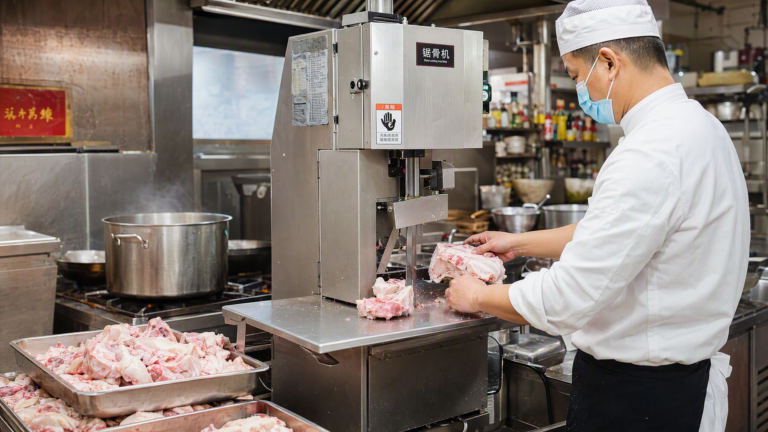
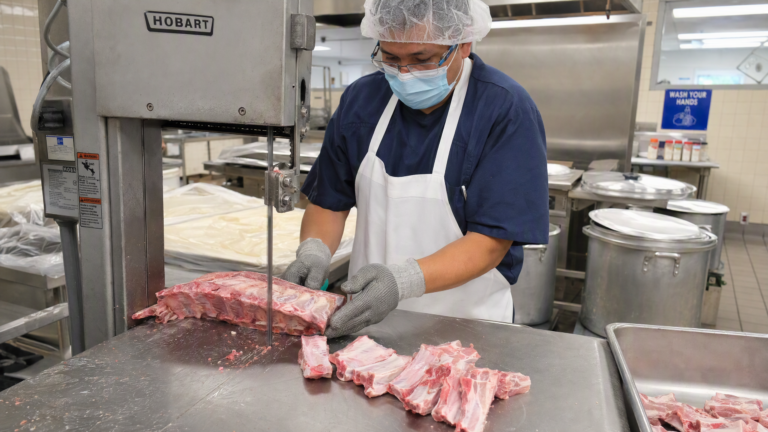
A bone sawing machine is a specialized piece of commercial meat processing equipment designed to cut through animal bones, frozen meat blocks, and carcasses with precision and speed. Unlike standard meat slicers that are built for soft tissue, a bone sawing machine uses a serrated band blade that moves in a continuous loop, allowing it to slice through dense bone material without shattering or splintering. The result is a clean, professional cut that maximizes yield and minimizes waste.
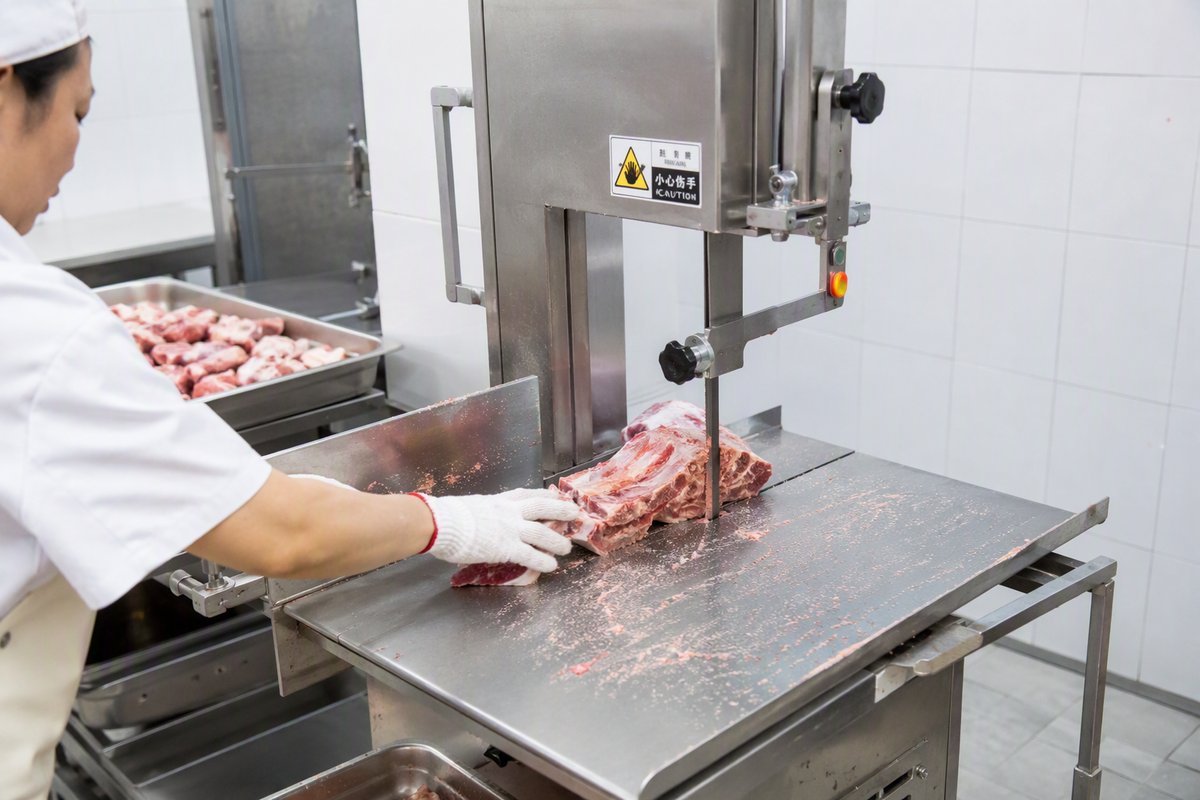
The core principle behind every bone sawing machine is straightforward yet ingeniously engineered. A motorized drive wheel powers a continuous band saw blade that runs over guide wheels, creating a vertical cutting plane. The operator feeds the meat and bone through the blade along a sliding table, while upper and lower blade guides keep the cutting path stable and accurate. Modern machines incorporate advanced safety features such as automatic blade tension monitoring, emergency stop mechanisms, and interlocked doors that prevent operation when safety guards are open.
For commercial butchers, investing in a quality bone sawing machine means replacing hours of manual labor with seconds of mechanized precision. A single machine can process hundreds of kilograms of bone-in meat per hour, achieving consistency that is simply impossible with hand tools. Whether you are portioning pork ribs, splitting beef carcasses, or cutting lamb chops, the right bone sawing machine transforms a physically demanding task into a streamlined production step.
Types of Bone Sawing Machines
Not all bone sawing machines are created equal. Depending on the scale of your operation and the types of cuts you need to make, different machine configurations serve different purposes. Understanding these categories is essential for making an informed purchasing decision.
1. Tabletop Bone Sawing Machines
Compact and affordable, tabletop models are designed for small butcher shops, restaurants, and specialty meat retailers. These machines typically feature a 1500W to 2000W motor and a cutting height of 150-200mm, making them suitable for lighter tasks like portioning pork ribs, cutting poultry bones, and splitting smaller cuts. Their small footprint means they can sit on a countertop, making them ideal for operations where floor space is limited. While they cannot handle the volume of larger machines, a tabletop bone sawing machine offers excellent value for businesses processing up to 100 kg of bone-in meat per day.
2. Floor-Standing Bone Sawing Machines
Floor-standing models represent the workhorse category of the bone sawing machine market. With motors ranging from 2000W to 3000W and cutting heights of 200-280mm, these machines are built for continuous daily use in medium to large butcher shops and meat processing plants. They feature sturdy stainless steel construction, larger sliding tables, and more robust blade tension systems. A floor-standing bone sawing machine can handle everything from pork carcasses to beef marrow bones, processing several hundred kilograms per hour with consistent results. Models like the Bone Sawing Machine from Yuerui Machinery exemplify this category, offering commercial-grade performance at a competitive price point.
3. Heavy-Duty Industrial Bone Saws
For large-scale slaughterhouses and industrial meat processing facilities, heavy-duty bone saws are engineered to withstand the most demanding environments. These machines feature motors exceeding 3000W, cutting heights of 300mm or more, and reinforced frames designed for 24/7 operation. They often include advanced features such as automatic blade tracking, variable speed control, and integrated bone collection systems. Industrial-grade machines like the Heavy Duty Rib Cutting Machine are purpose-built for processing beef and pork carcasses at scale, where downtime is not an option.
4. Chop Saw Machines
A specialized variant, chop saw machines (also called bone chopping saws) are designed for making precise cross-sectional cuts through bone. Rather than feeding material through a vertical band blade, a chop saw uses a pivoting arm with a circular blade that descends onto the product. This design is particularly useful for cutting uniform bone-in steaks, chops, and medallions. The Chop Saw Machine offers an efficient solution for operations that require precise portion control and consistent cut thickness.
5. Electric Bone Cutters
Electric bone cutters are handheld or semi-mounted tools that use a reciprocating or rotary blade to cut through bone. While not technically a band saw, they serve a related purpose and are useful for smaller operations or as a supplementary tool. The Electric Bone Cutter provides a portable option for butchers who need flexibility in their cutting operations, particularly for field dressing or on-site processing.
Key Specifications to Consider
When evaluating a bone sawing machine for your operation, several critical specifications determine whether a particular model will meet your needs. Understanding these metrics will help you avoid costly mistakes and ensure you select equipment that aligns with your production requirements.
Motor Power
Motor power, typically measured in watts, directly determines the cutting capacity and sustained performance of the machine. For light-duty applications (pork ribs, poultry, small bones), a 1500W motor is generally sufficient. Medium-duty operations processing beef bones and larger carcasses should look for 2000W to 2500W motors. Heavy industrial use demands 3000W or more to maintain cutting speed under continuous load. Undersized motors will struggle with dense bone, leading to blade stalling, uneven cuts, and premature motor burnout.
Cutting Height and Throat Depth
The cutting height refers to the maximum vertical clearance between the table and the upper blade guide—essentially, the tallest piece of bone-in meat you can cut. A 200mm cutting height accommodates most pork and lamb cuts, while beef carcass processing typically requires 250mm or more. Throat depth, the distance from the blade to the frame, determines the maximum width of material you can feed through the machine. Ensure both dimensions comfortably exceed the size of your largest expected cuts.
Blade Speed
Blade speed, measured in meters per second, affects both cutting efficiency and finish quality. Most commercial bone sawing machine models operate at 15-20 m/s. Higher speeds produce cleaner cuts but generate more heat, which can affect blade longevity. Variable speed control, found on premium models, allows operators to optimize speed for different bone densities and product types.
Blade Size and Tension System
The blade length varies by machine size, with common sizes ranging from 1400mm to 2000mm. Blade width typically ranges from 15mm to 20mm for bone cutting applications. A robust blade tension system is critical—insufficient tension causes blade wandering and uneven cuts, while excessive tension can lead to premature blade breakage. Look for machines with easy-to-read tension indicators and quick blade change mechanisms.
Material Construction
In commercial food processing, hygiene is paramount. The best bone sawing machine models feature food-grade AISI 304 stainless steel construction for all food contact surfaces. This material resists corrosion, withstands aggressive cleaning chemicals, and does not harbor bacteria. Powder-coated or cast aluminum components are acceptable for non-contact structural parts, but the cutting zone, table, and blade guards should be stainless steel.
Safety Features
Bone sawing machines are inherently dangerous equipment, and modern safety features are non-negotiable. Essential safety elements include:
- Blade guard: A transparent guard that covers the blade above the cutting zone, preventing accidental contact
- Emergency stop button: Large, prominently placed mushroom-head button that immediately halts the blade
- Door interlock switch: Prevents machine operation when access doors are open
- Blade tension monitor: Alerts the operator if blade tension drops below safe operating levels
- Sliding table with hand guard: Keeps operator hands away from the blade while feeding product
- Thrust bearing: Located behind the blade to prevent it from being pushed backward during cutting
Comparison Table: Bone Sawing Machine Models
To help you compare the different categories of bone sawing machines, the following table summarizes key specifications across machine types:
| Specification | Tabletop Model | Floor-Standing Model | Heavy-Duty Industrial | Chop Saw Machine |
| Motor Power | 1500-2000W | 2000-3000W | 3000W+ | 1500-2200W |
| Cutting Height | 150-200mm | 200-280mm | 300mm+ | 100-150mm |
| Blade Speed | 15-18 m/s | 15-20 m/s | 18-22 m/s | N/A (rotary) |
| Blade Length | 1400-1550mm | 1550-1800mm | 1800-2000mm | Circular blade |
| Production Capacity | 50-100 kg/h | 200-400 kg/h | 500+ kg/h | 100-200 kg/h |
| Ideal For | Small shops, restaurants | Medium butcher shops | Slaughterhouses, factories | Precision chop cutting |
| Price Range | $200-$600 | $500-$1,500 | $1,500-$5,000+ | $400-$1,000 |
| Footprint | Compact, countertop | Medium floor unit | Large floor unit | Compact floor unit |
Applications and Use Cases
The versatility of a bone sawing machine makes it indispensable across a wide range of commercial settings. Understanding how different industries deploy this equipment can help you envision its role in your own operation.
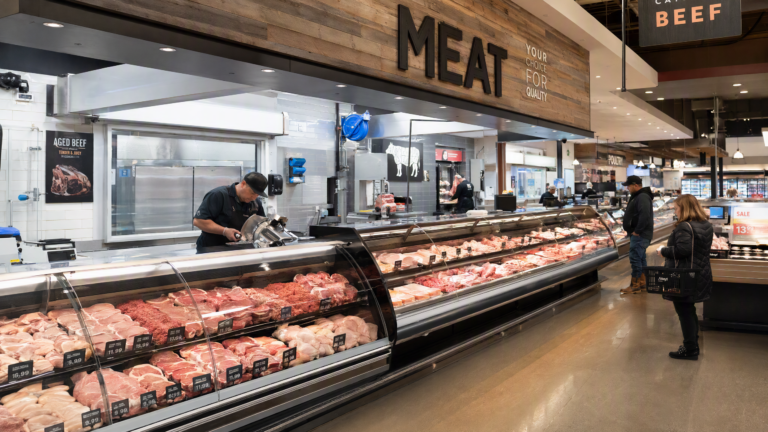
Butcher Shops and Meat Retailers
In a traditional butcher shop, a bone sawing machine is used daily for portioning primal cuts into retail-ready products. Pork ribs are split into individual rib sections, beef bones are cut for marrow extraction, and lamb carcasses are divided into chops and roasts. The consistency of machine-cut portions enhances visual appeal and allows for standardized pricing, which is critical for retail profitability.
Slaughterhouses and Abattoirs
At the slaughterhouse level, bone sawing machines handle carcass splitting and primal cut separation at high speed. A beef carcass that would take a skilled butcher several minutes to split by hand can be processed in seconds with an industrial bone saw. This efficiency is essential for maintaining throughput during peak processing seasons and meeting regulatory requirements for carcass handling.
Restaurant and Food Service
High-end restaurants, especially those specializing in steaks and bone-in dishes, increasingly invest in tabletop bone sawing machines to prepare in-house cuts. Tomahawk steaks, bone-in pork chops, and marrow bones for stock all require precise bone cutting that a bone sawing machine delivers with restaurant-quality finish. Having this capability in-house reduces reliance on pre-cut suppliers and allows chefs to control portion sizes and presentation.
Pet Food Manufacturing
The growing pet food industry relies heavily on bone sawing machines to process raw bone-in material for fresh and frozen pet food products. These operations require machines that can handle variable bone sizes and process large volumes efficiently. Stainless steel construction and easy sanitation are particularly critical in this application due to regulatory requirements for pet food safety.
Frozen Meat Processing
Many commercial operations need to cut frozen meat blocks directly, bypassing the thawing process to save time and maintain product quality. A heavy-duty bone sawing machine with sufficient motor power can cut through frozen blocks, though this application requires specialized blades with coarser teeth and slower blade speeds to prevent blade binding and excessive wear.
Maintenance Tips for Bone Sawing Machines
A bone sawing machine is a significant investment, and proper maintenance is essential to protect that investment and ensure safe operation. The following maintenance practices will extend the life of your equipment and maintain cutting performance.
Daily Cleaning and Sanitation
After each production shift, the machine must be thoroughly cleaned to remove bone dust, meat residue, and fat buildup. Disconnect the power, remove the blade, and wash all food contact surfaces with hot water and food-safe detergent. Pay particular attention to the blade guides, thrust bearing, and the grooves in the sliding table where debris accumulates. Sanitize with an approved food-grade sanitizer and allow all components to dry completely before reassembly.
Blade Care and Replacement
The blade is the heart of any bone sawing machine, and its condition directly determines cut quality. Inspect the blade before each use for missing or damaged teeth, cracks, and signs of fatigue. A dull or damaged blade not only produces poor cuts but also forces the motor to work harder, increasing energy consumption and the risk of blade breakage. Maintain a stock of replacement blades, and rotate blades regularly to ensure even wear. When installing a new blade, follow the manufacturer’s tensioning specification precisely—overtensioning is a leading cause of premature blade failure.
Drive Wheel and Guide Maintenance
The drive wheel and blade guides should be inspected weekly for wear. The drive wheel surface must remain clean and smooth to properly grip the blade; any buildup of fat or bone dust should be removed with a non-abrasive cleaner. Guide rollers or guides should spin freely and show no signs of uneven wear. Replace guides that show grooving or flat spots, as these will cause blade tracking issues.
Motor and Electrical System
Check the motor for unusual noise, vibration, or heat during operation—these are early warning signs of bearing wear or electrical issues. Ensure that cooling vents are clear of dust and debris. If your machine has a belt drive system, inspect the belts monthly for cracking or stretching, and replace them according to the manufacturer’s recommended interval. Keep a maintenance log to track service dates, blade changes, and any repairs.
Lubrication
While the blade itself should never be lubricated (food safety), the machine’s mechanical components require regular lubrication. Follow the manufacturer’s lubrication schedule for bearings, slide rails, and pivot points. Use only food-grade lubricants on any component that could potentially contact food products. Over-lubrication can attract debris and cause contamination, so apply lubricant sparingly and wipe away excess.
Buying Guide: How to Choose the Right Bone Sawing Machine
Selecting the right bone sawing machine for your business requires careful consideration of your current needs and future growth plans. The following step-by-step approach will guide you through the decision-making process.
Step 1: Assess Your Production Volume
Start by quantifying your daily and weekly bone-in processing volume. If you process less than 100 kg per day, a tabletop model will likely meet your needs. For 100-400 kg per day, a floor-standing model is appropriate. Operations exceeding 500 kg per day require a heavy-duty industrial machine. Be realistic about your volume—if you are currently at 150 kg per day but plan to expand, consider a machine that can grow with you.
Step 2: Identify Your Primary Products
The types of cuts you make most frequently should drive your machine selection. If you primarily cut pork ribs and poultry, a standard floor-standing bone sawing machine with a 200mm cutting height is sufficient. If you process beef carcasses or large marrow bones, look for a machine with at least 250mm cutting height and a 2500W+ motor. For precision cuts like chops and steaks, a chop saw machine may be a better primary choice.
Step 3: Evaluate Space and Utility Requirements
Measure your available floor or counter space before shopping. Floor-standing machines typically require 0.5-1.0 square meters of footprint, plus clearance for the operator and material handling. Verify that your electrical supply matches the machine requirements—most commercial models run on 220V single-phase power, while industrial models may require 380V three-phase power. Also consider water supply for cleaning and drainage for waste water.
Step 4: Prioritize Safety and Compliance
Ensure the machine meets relevant safety standards for your market. In the EU, look for CE certification; in the US, check for NSF and UL listings. Verify that all essential safety features are present and functional: blade guards, emergency stops, door interlocks, and tension monitors. If you operate in a regulated environment, request documentation of material compliance (food-grade stainless steel certificates, etc.).
Step 5: Consider Total Cost of Ownership
The purchase price is only one component of the total cost of ownership. Factor in blade replacement costs (typically $10-$30 per blade, replaced every 2-4 weeks depending on usage), electricity consumption, maintenance labor, and potential repair costs. A slightly more expensive machine from a reputable manufacturer may cost less over five years than a cheaper alternative that requires frequent repairs and produces inconsistent results.
Step 6: Evaluate Manufacturer Support
After-sales support is critical for commercial equipment. Look for manufacturers who offer comprehensive warranties (minimum one year on parts), readily available spare parts, and technical support. Yuerui Machinery, for example, provides detailed product documentation, responsive customer service, and a global spare parts network. Read reviews from other commercial users, and ask for references from operations similar to yours.
Step 7: Request a Demonstration or Trial
If possible, request a demonstration of the machine with your typical products. This allows you to evaluate cutting speed, finish quality, noise level, ease of cleaning, and operator comfort firsthand. Many reputable manufacturers and distributors offer trial periods or can arrange a visit to an existing customer site for a demonstration.
Common Mistakes to Avoid When Buying a Bone Sawing Machine
Even experienced buyers can make mistakes when purchasing a bone sawing machine. Being aware of these common pitfalls can save you significant time and money:
- Buying based on price alone: The cheapest machine rarely provides the best value. A low-cost machine may lack essential safety features, use inferior materials, or require frequent repairs that negate initial savings.
- Underestimating motor power requirements: A machine that barely handles your current volume will struggle as your business grows. Always purchase a machine with at least 20% more capacity than your current peak demand.
- Ignoring blade availability: Some imported machines use non-standard blade sizes that are difficult to source. Verify that replacement blades are readily available in your region before purchasing.
- Overlooking cleaning complexity: A machine that takes an hour to disassemble and clean will cost you in labor every single day. Look for tool-free blade changes and easily removable components.
- Neglecting safety features: Never compromise on safety to save money. A single workplace injury can cost more than the machine itself.
Industry Trends and Future Developments
The bone sawing machine market continues to evolve, driven by advances in automation, food safety technology, and sustainability concerns. Several trends are shaping the future of this equipment category:
Automation and IoT Integration: Modern bone sawing machines are increasingly incorporating sensors and connectivity features that monitor blade wear, motor temperature, and cutting performance in real time. This data enables predictive maintenance, reducing unplanned downtime and extending equipment life. Some advanced systems can automatically adjust blade tension and speed based on the density of the material being cut.
Enhanced Hygiene Design: Manufacturers are designing machines with fewer crevices, smooth welds, and tool-free disassembly to meet increasingly stringent food safety regulations. Antimicrobial surface treatments and IP65-rated wash-down capabilities are becoming standard features on premium models.
Energy Efficiency: As energy costs rise, manufacturers are optimizing motor efficiency and implementing features like auto-standby modes that reduce power consumption during idle periods. High-efficiency motors can reduce energy consumption by 15-25% compared to older models.
Conclusion
A bone sawing machine is one of the most important investments a commercial butcher or meat processing operation can make. From the compact tabletop models that serve neighborhood butcher shops to the heavy-duty industrial machines that power large-scale slaughterhouses, the right bone sawing machine transforms bone cutting from a labor-intensive bottleneck into an efficient, consistent, and profitable production step. By understanding the types of machines available, evaluating key specifications carefully, prioritizing safety and hygiene, and following a structured buying process, you can select equipment that will serve your business for years to come.
Remember that the cheapest option is rarely the most cost-effective over the long term. Focus on total cost of ownership, manufacturer support, and alignment with your specific production needs. Whether you are replacing an aging machine or expanding your processing capacity, a well-chosen bone sawing machine from a reputable manufacturer like Yuerui Machinery will deliver consistent performance, reliable safety, and a strong return on investment for your commercial butcher operation.